

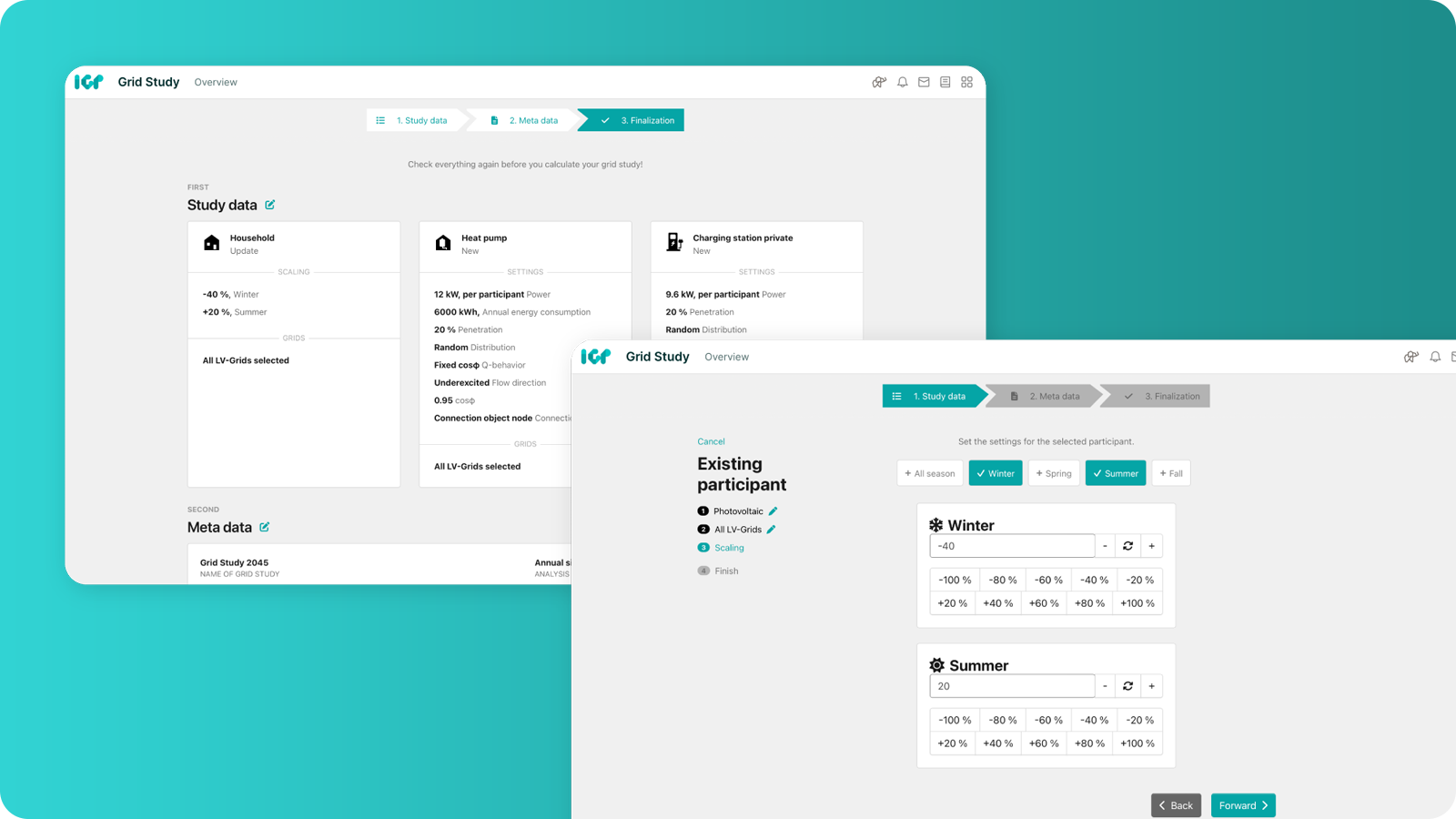
Identify Constraints Early
Model future load, generation, electrification, and storage scenarios to see where voltage or loading constraints may occur before they become urgent planning problems.Optimize Investment Decisions
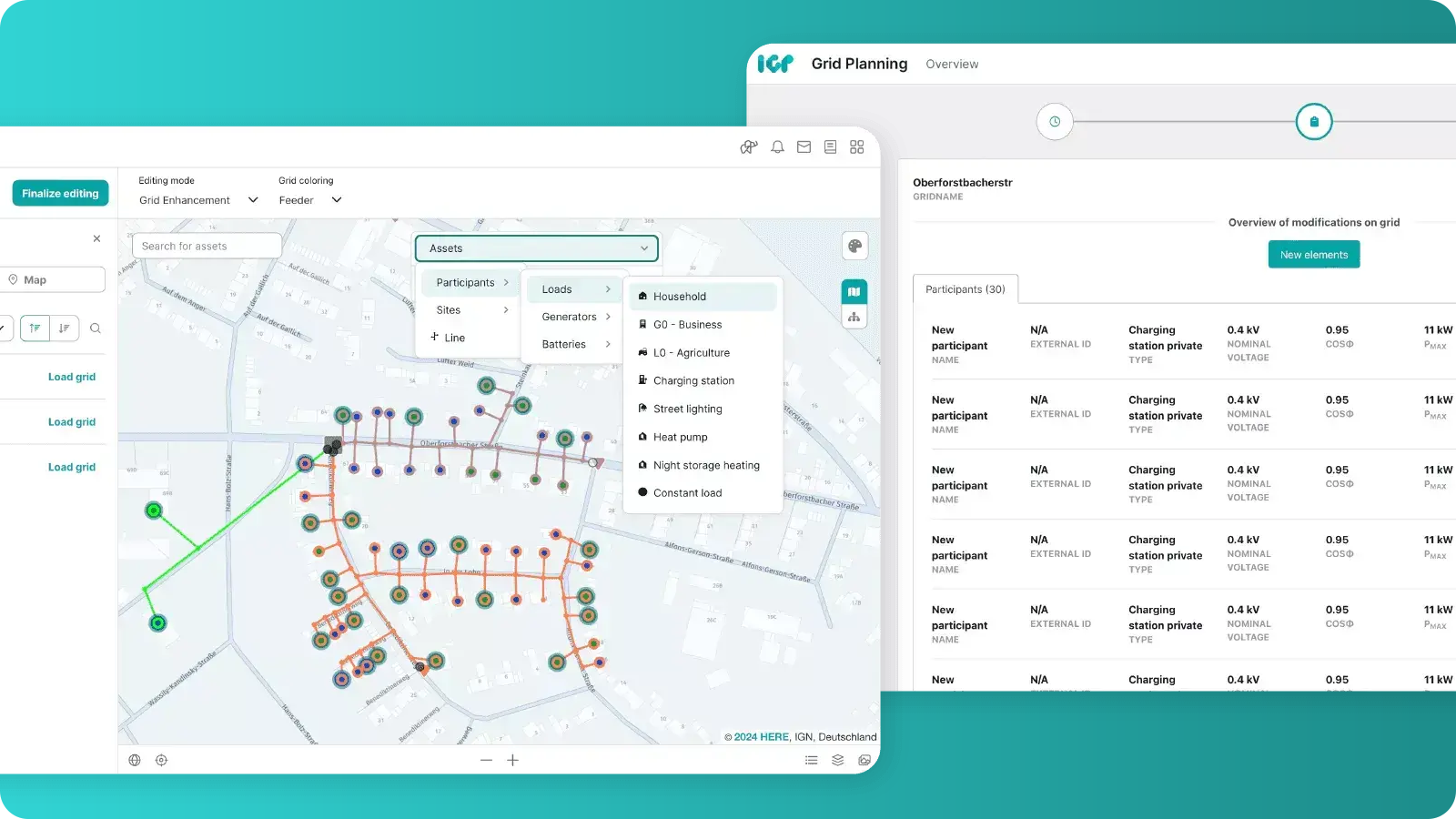
Test reinforcement, reconfiguration, and other planning measures against the actual network model. Compare technically feasible options and focus engineering time on the alternatives that deserve deeper review.Support Long-term Planning
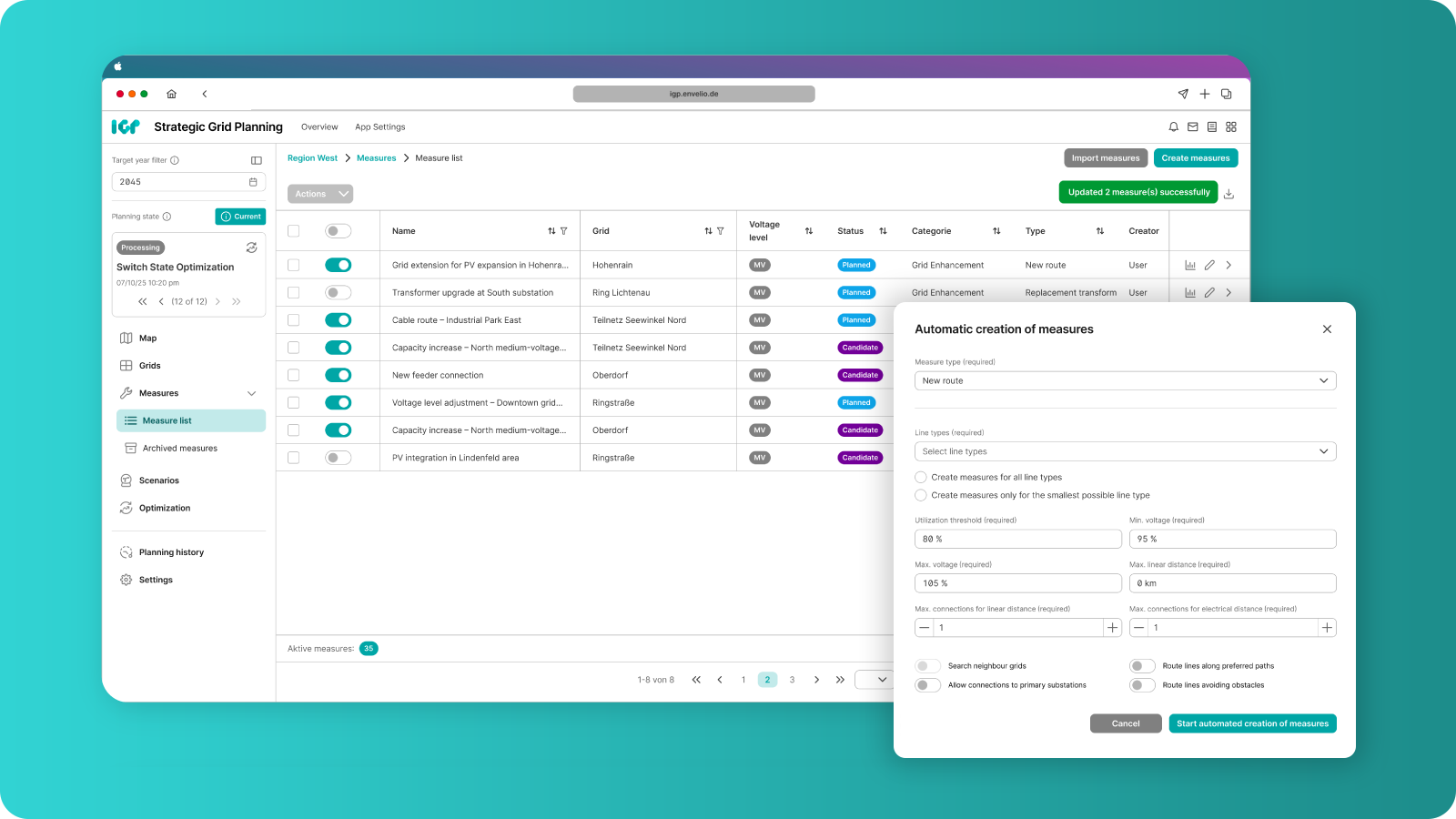
Develop coordinated plans across multiple planning horizons. Evaluate large numbers of future options with load-flow-based analysis, then retain engineering control over the measures selected.The changes in the energy mix as well as rapid electrification across various sectors poses new challenges for electric utilities, large and small.
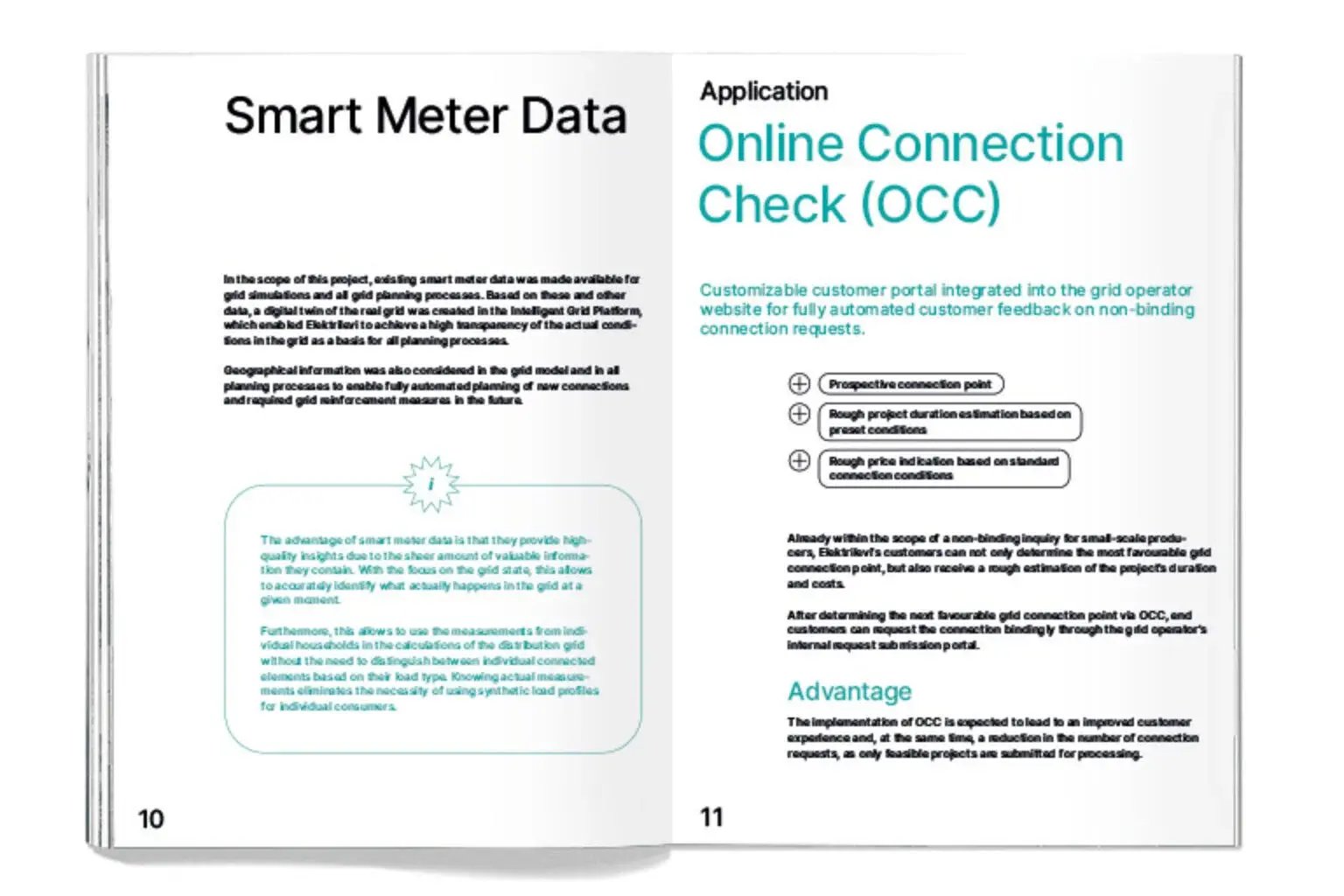
With our Intelligent Grid Platform, we offer a suite of tools that address many of these challenges: from streamlining and accelerating interconnections processes to conducting reliable future scenario analyses for long-term planning.
Planning that connects to the rest of the utility
Grid planning does not end when a plan is approved. New interconnection requests, updated measurements, and changing forecasts can affect the assumptions behind it. The IGP supports a PlanOps approach, connecting planning insights with the grid model and operational context used across the utility.
This helps teams reuse models, scenarios, and results instead of rebuilding the same analysis for each department or planning cycle.
Real Results from Real Utilities
Case study: The Strategies of Readying Helsinki’s Power Grid for 2030 with envelio
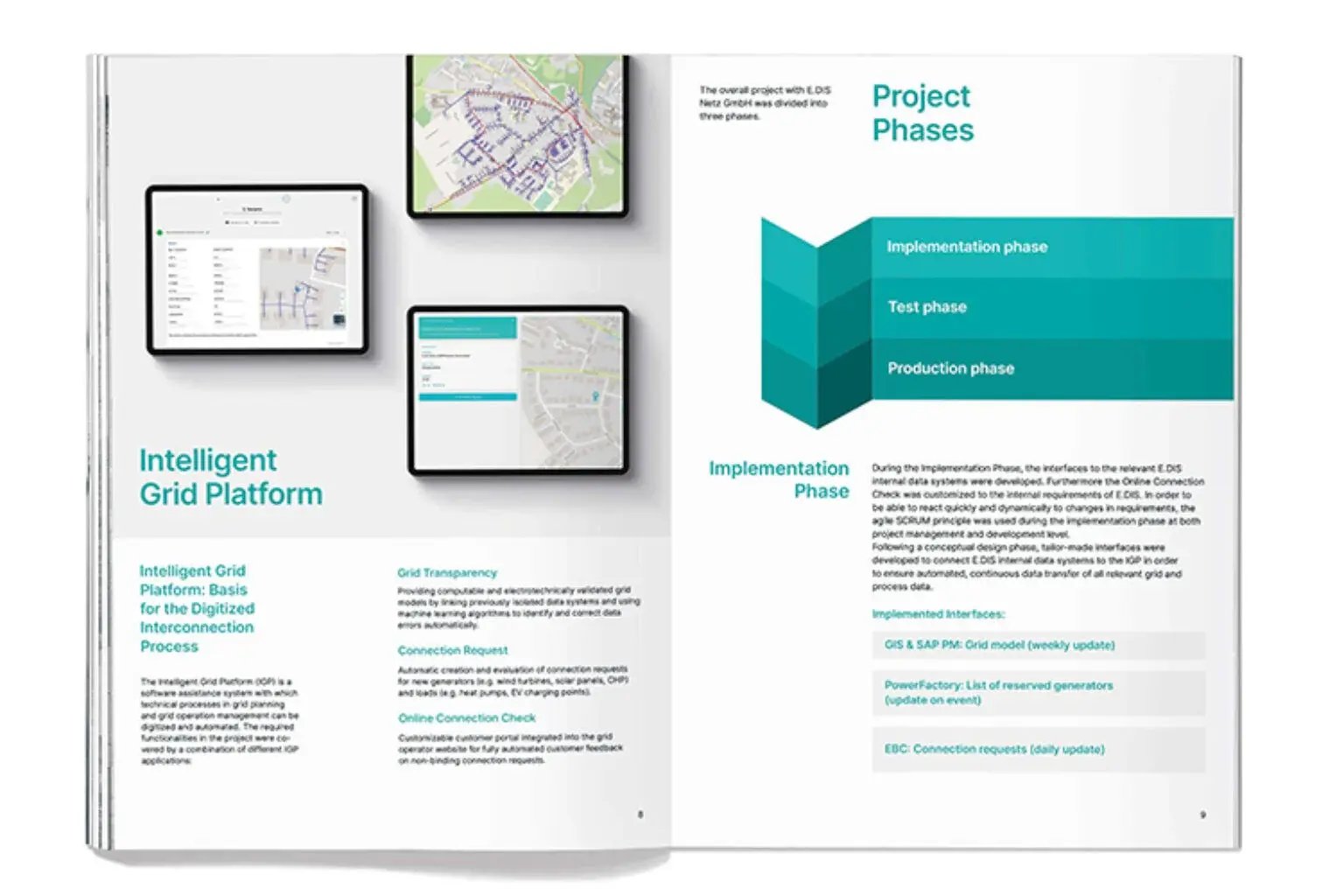
Case study: Introducing a POI self-checker for end customers at E.DIS
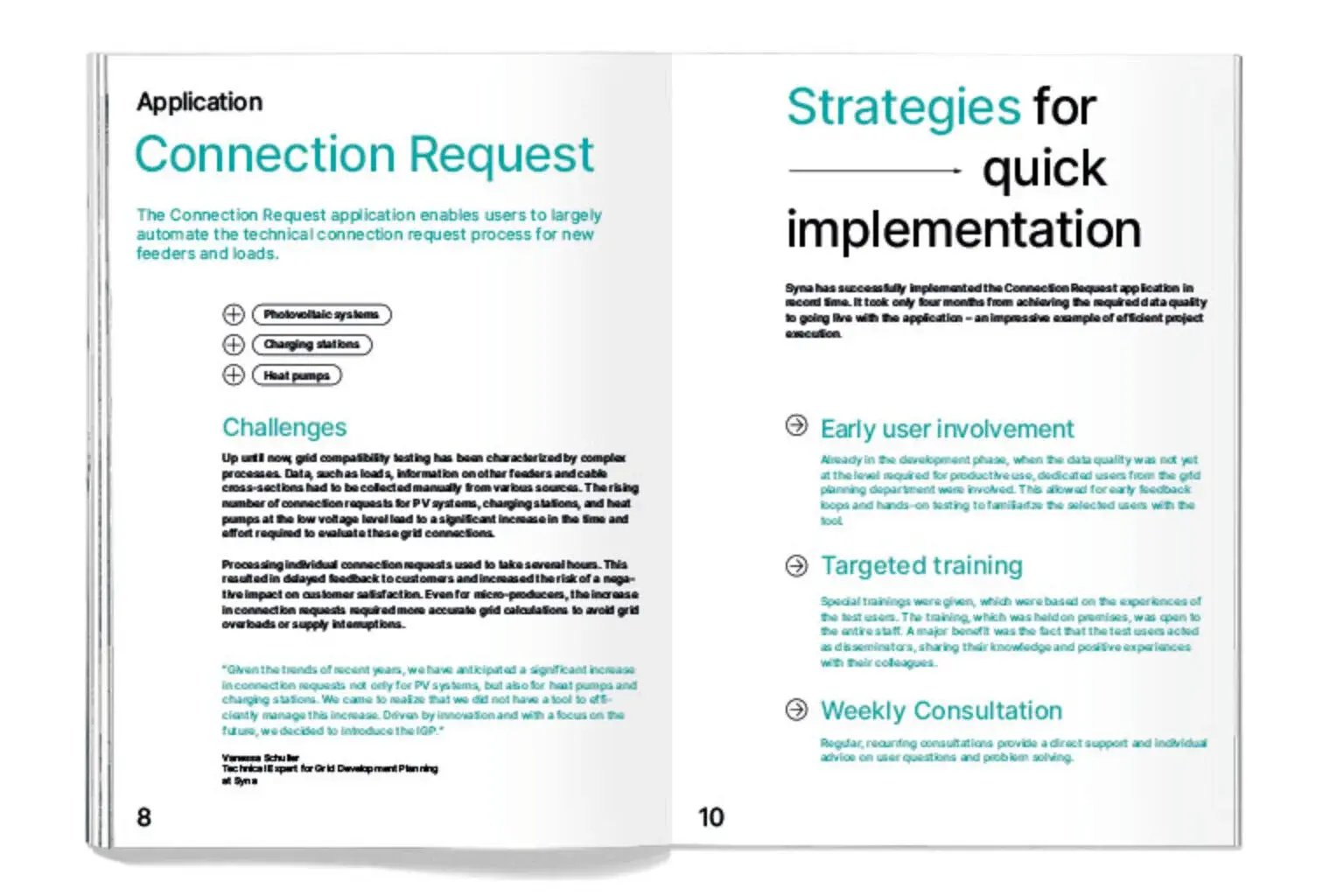
White Paper: Scaling the Distribution
Interconnection Process
Start where planning pressure is highest
Utilities can begin with the planning decision that needs more visibility or a stronger technical basis. Start with future scenario analysis, a high-priority reinforcement study, or a strategic planning horizon, then extend the same trusted model across related grid processes.
Common questions we hear about our hosting capacity evaluation tool
Grid planning software helps utilities analyze the current distribution system, test future conditions, identify constraints, and evaluate possible planning measures. It provides a more consistent basis for distribution system planning than isolated spreadsheets or one-off studies.
When planning, interconnection, and operations use the same continuously maintained grid model, teams can reuse assumptions and results across processes. New projects, measurements, and planning measures can be considered in the relevant engineering context.
