Move beyond peak-based planning

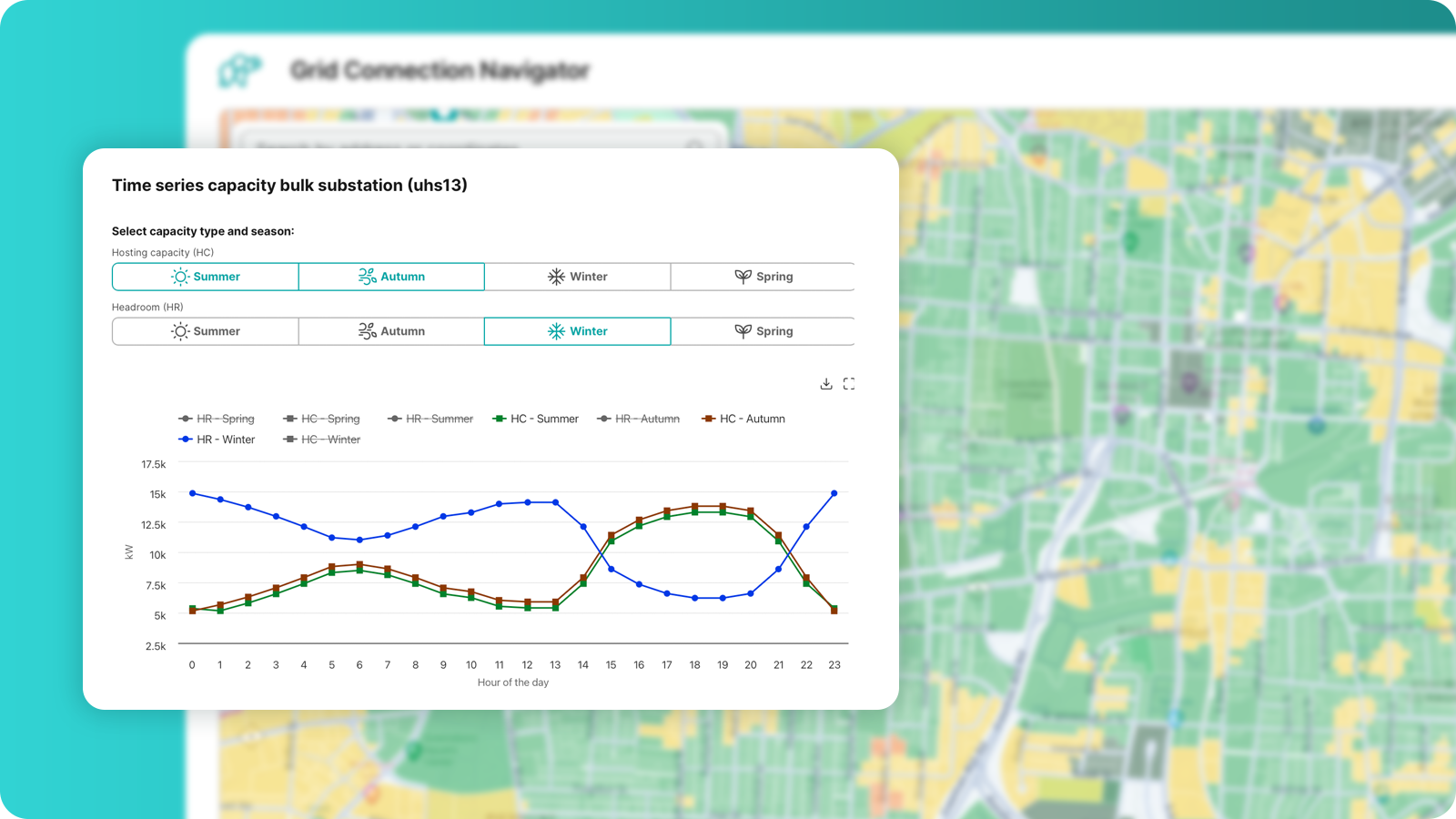
Traditional peak-based planning is essential for understanding worst-case conditions, but it does not show how frequently a constraint occurs or whether capacity is available at other times. A feeder that appears constrained at peak may have usable capacity during much of the year. Time-series analysis helps utilities distinguish persistent infrastructure needs from constraints that flexibility can address. This creates a more complete basis for interconnection and planning decisions.

Feeder Limit 8MW 7MW 6MW 5MW 4MW 3MW 2MW 1MW 0MW 06:00 09:00 12:00 03:00 06:00 8760 Analysis|Hourly Demand Analysis
Feeder Limit 8MW 7MW 6MW 5MW 4MW 3MW 2MW 1MW 0MW Peak-Based Planning|Annualized Demand Analysis

Evaluate flexibility alongside reinforcement

Flexibility is not a replacement for grid reinforcement. Persistent or severe constraints may still require traditional investments. But when violations are infrequent, short-lived, or tied to predictable operating conditions, flexibility may provide a practical alternative or bridge solution.

Utilities can evaluate flexibility and reinforcement together to identify the approach that best supports reliability, customer needs, implementation timelines, and long-term system plans.

Build the Technical Foundation for Flexible Interconnection

The Intelligent Grid Platform (IGP) brings the data and analysis required to evaluate flexibility within one engineering framework.

technology

Unify the Data Foundation

Combine grid models, load and generation forecasts, customer profiles, AMI and other operational data, queued projects, and planned system measures.

analyze-over-time

Analyze How the Grid Behaves Over Time

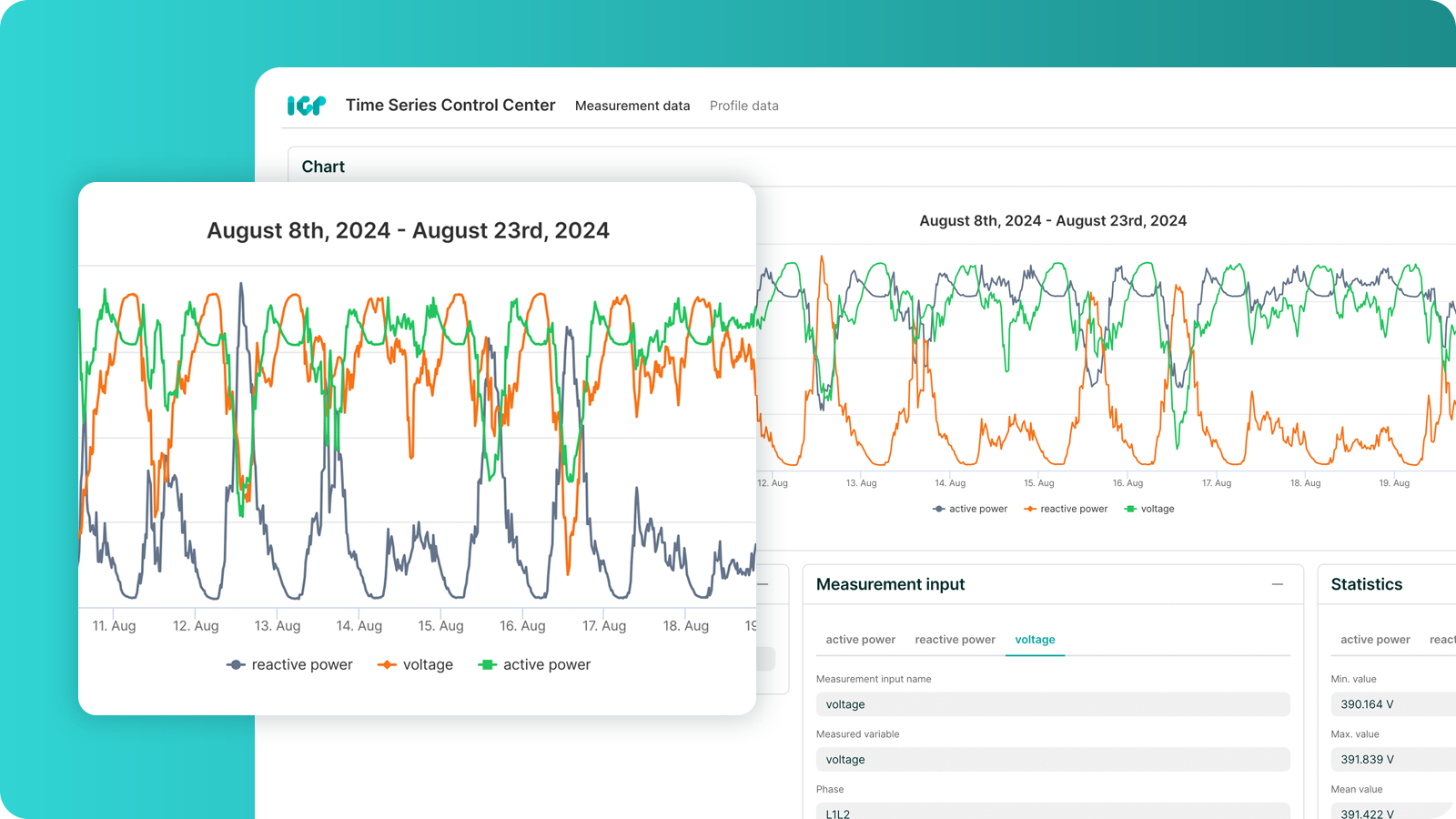
Run physics-based load-flow analysis for representative conditions or across 8,760 hourly intervals to identify when and where constraints occur.


compare-icon

Compare Flexibility and Reinforcement

Use iterative analysis to evaluate the mix of infrastructure upgrades and flexibility measures that best addresses each constraint.
Turn Constraint Insight Into a Flexibility Strategy

Identify Opportunities
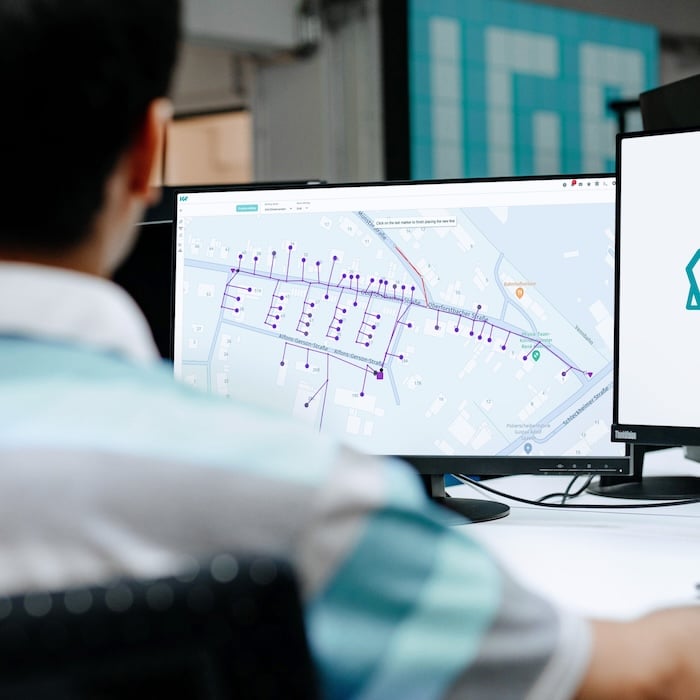
Locate grid constraints that may be addressed through flexible interconnection, storage, managed charging, demand response, or other alternatives.
Quantify Flexibility Needs
Determine when constraints occur, how long they last, and how much load reduction, generation adjustment, or other flexibility is required to remain within utility-defined limits.
Operationalize the Outcome
Translate grid insights into proactive operating limits, schedules, or control strategies that can support a flexible interconnection agreement or an operational process.

Connect planning, interconnection, and operations

Flexibility has the greatest value when it is considered before an upgrade decision is made, not only after a constraint has become an operational issue.

The IGP helps utilities use the same grid intelligence across planning, interconnection, and operational workflows. Planners can identify the conditions driving a constraint, interconnection teams can assess whether a project can connect under defined limits, and operations teams can use the resulting insights to inform future strategies.

igp-ashwin

Use Flexibility where it Creates Real Grid Value

Evaluate flexibility with the same rigor as traditional grid reinforcement. Identify capacity that can be used more effectively, accelerate viable interconnections, and target infrastructure investments where they are truly needed.

Frequently Asked Questions About Flexible Interconnection

What is flexible interconnection?

Flexible interconnection is an approach that allows a load or generation project to connect under defined operating conditions rather than assuming it requires full capacity at all times. It may use operating limits, alternative profiles, curtailment arrangements, or other utility-defined flexibility measures to maintain system reliability.

Why is time-series analysis important for flexible interconnection?

Flexibility is time-dependent. Time-series analysis shows when a constraint occurs, how long it lasts, and how grid conditions change across the year. This allows utilities to evaluate whether a flexibility measure can address an intermittent constraint or whether a grid upgrade is required.

Does flexible interconnection replace grid reinforcement?

No. Flexible interconnection is not a substitute for necessary infrastructure investment. It is one option utilities can evaluate alongside reinforcement when a constraint is infrequent, short-lived, or can be managed safely through defined operating conditions.

How does the IGP evaluate flexible interconnection?

The IGP uses a continuously updated, physics-based grid model and time-series analysis to assess grid conditions over representative periods or hourly intervals. Utilities can use the results to identify constraints, quantify the flexibility required, and compare flexibility options with traditional reinforcement measures.

What data supports a flexibility assessment?

A flexibility assessment can incorporate the grid model, load and generation forecasts, customer profiles, operational or AMI data, queued interconnection projects, and planned system measures. The appropriate data depends on the utility’s use case and available systems.