Planning for distributed energy resources (DERs) has become one of the fastest-evolving responsibilities for distribution utilities. Growing numbers of solar installations, battery energy storage systems, electric vehicles, and other distributed resources are changing how utilities evaluate hosting capacity, process interconnection requests, and prioritize grid investments. Planning teams must evaluate more interconnection requests, assess available capacity more frequently, and consider both flexible solutions and grid upgrades when planning for continued electrification and long-term load growth.
DER planning involves evaluating how distributed energy resources affect the distribution network, determining where new resources can be interconnected, and identifying future grid investments needed to support continued growth. It combines network modeling, hosting capacity analysis, scenario planning, and interconnection studies to help utilities make informed engineering decisions.
As these responsibilities expand, utilities need software that supports the entire planning workflow rather than isolated engineering tasks.
The Challenge of Disconnected Planning Workflows
Most utilities already use a variety of engineering applications. Geographic information systems, asset management systems, SCADA, AMI, and planning tools all provide valuable information. The challenge is that these systems often operate independently.
Engineers often spend significant time preparing network models before technical analysis can begin. Data must be collected from multiple systems, inconsistencies resolved, and planning assumptions aligned across different teams. As DER adoption accelerates, these manual workflows become increasingly difficult to scale.
Disconnected workflows also make it harder to maintain consistency across planning activities. Long-term planning, hosting capacity analysis, interconnection studies, and distribution grid operations often depend on the same engineering data, yet they rely on different network models or separate data preparation processes. The result is duplicate work, inconsistent analyses, and slower engineering decisions.
What Modern DER Grid Planning Software Should Deliver
Addressing these challenges requires more than faster engineering calculations. The best DER grid planning software should provide a shared engineering foundation that supports planning from end to end while giving utilities the flexibility to evaluate changing grid conditions and future scenarios. When evaluating solutions, utilities should look for four essential capabilities:
1. A Reliable Digital Grid Model
Every planning decision depends on accurate network data. Engineers need confidence that network topology, asset information, customer loads, and operational data reflect the current state of the system. Without a reliable digital grid model, every downstream analysis becomes more difficult and less reliable.
2. Automated Hosting Capacity Analysis
Understanding where additional DERs can be accommodated has become an essential part of both planning and interconnection processes. Automated hosting capacity analysis enables utilities to evaluate available capacity more consistently, reduce manual engineering effort, and respond more efficiently to increasing application volumes.
3. Scenario-Based Distribution System Planning
Planning for today's grid is no longer enough. Utilities need to understand how DER adoption, electrification, and changing demand patterns could affect the distribution system over the next five, ten, or even fifteen years. Comparing multiple scenarios helps planners identify emerging constraints, evaluate flexible alternatives, prioritize reinforcement projects, and support better investment decisions.
4. Connected Engineering Workflows
Planning does not happen in isolation. The same engineering data supports hosting capacity analysis, interconnection studies, and many aspects of distribution grid operations. Effective distribution system planning software should connect these workflows through a shared digital grid model rather than requiring separate engineering models and duplicate work.
Why a Shared Engineering Foundation Matters
A shared engineering foundation gives utilities a common, validated view of the distribution network that supports every stage of the planning process. Instead of maintaining separate engineering models for different workflows, planning, hosting capacity analysis, interconnection studies, and operations all rely on the same digital grid model.
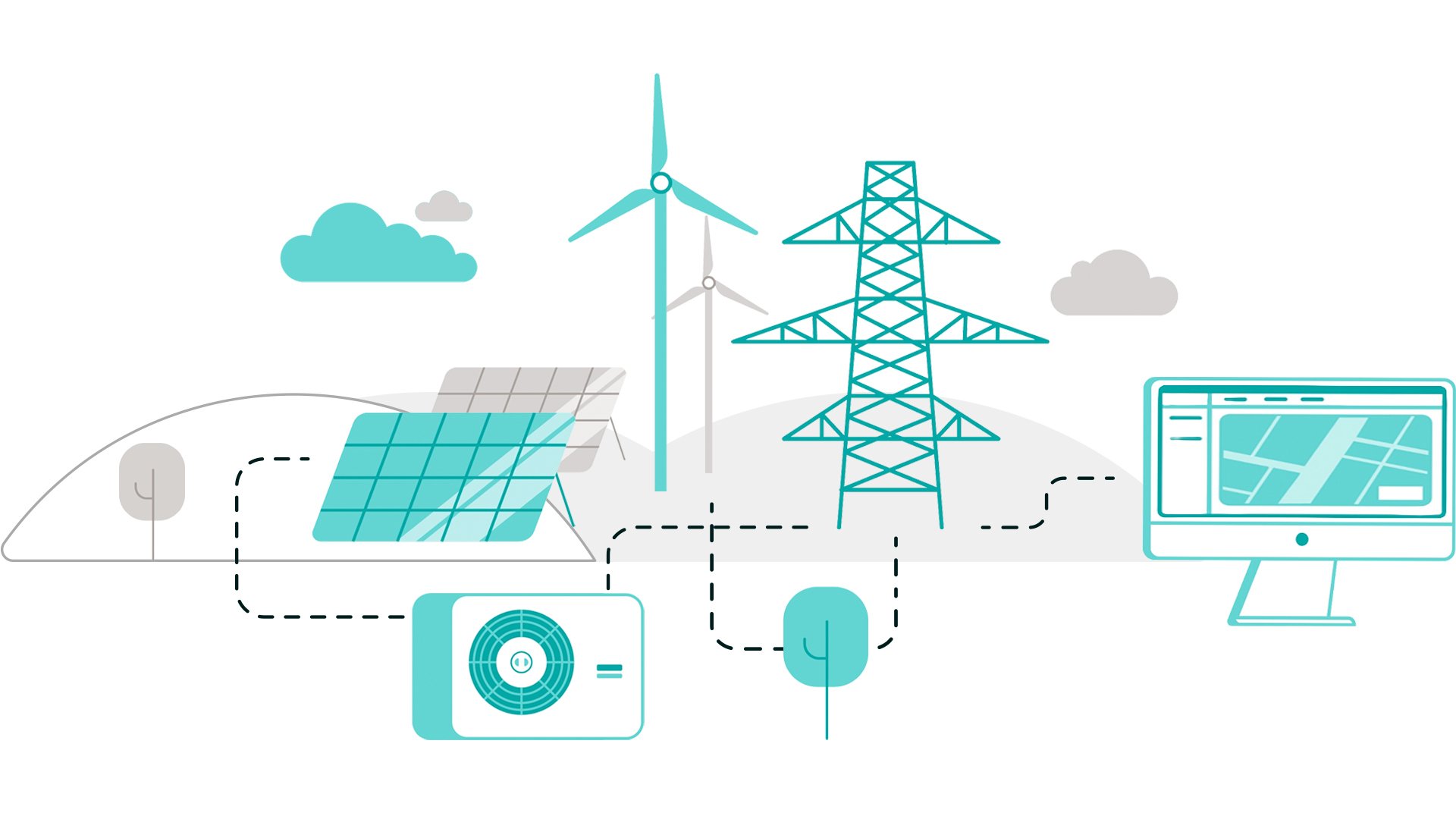
The Intelligent Grid Platform (IGP) delivers this approach through the Grid Hub, which continuously integrates, validates, and synchronizes information from existing utility systems, including GIS, AMI, SCADA, asset management systems, and other operational data sources.
Through grid data orchestration, the Grid Hub maintains a continuously validated digital grid model of the distribution network. Engineers can evaluate future DER growth, compare reinforcement strategies, assess hosting capacity, and support interconnection decisions using consistent engineering data. The result is less time spent preparing data, greater consistency across engineering workflows, and faster, more informed planning decisions.
A Practical Example
FairNetz implemented the Intelligent Grid Platform to improve grid data quality and automate technical evaluations as the number of DER interconnection requests increased. By creating a computable grid model supported by automated data validation and synchronization across multiple source systems, the utility established a stronger foundation for planning and interconnection workflows.
The platform also accounts for approved but not yet installed generation assets when evaluating new requests. This gives engineers a more complete view of future network conditions, helping them identify potential capacity constraints proactively, giving planners better information to prioritize future grid investments. Improvements in data quality benefit multiple engineering workflows rather than a single application.
See the Intelligent Grid Platform in Action
As DER planning becomes more complex, utilities need software that moves beyond isolated planning tools and connects engineering workflows in a collaborative space. The Intelligent Grid Platform helps utilities modernize DER planning by providing a shared engineering foundation that supports flexible, scenario-based planning, hosting capacity analysis, interconnection studies, and distribution grid operations.
Request a personalized demo to see how the Intelligent Grid Platform can help your team streamline engineering workflows, improve planning efficiency, and prepare your distribution system for continued DER growth.